Colston Loveland or Mark Andrews: Who Should You Start?
Preliminary board2026 Week 2 · deterministic head-to-head · Verdicts based on PPR scoring.
Verdicts sharpen as practice reports land.
Loveland’s workload wins a close call over Andrews
Loveland gets the nod because his TE3 standing and every-down role provide the cleaner weekly foundation. Andrews has the better scoring environment and a far stronger target concentration, so the projected gap understates how live his upside is. Still, the matchup data offers no meaningful separation, and Loveland’s 87% snap role is the tiebreaker in a tight-end decision this close. The risk is that his modest target share fails to support the premium ranking.
What flips it: A surprise change to Loveland’s TE1 role.
AI editor
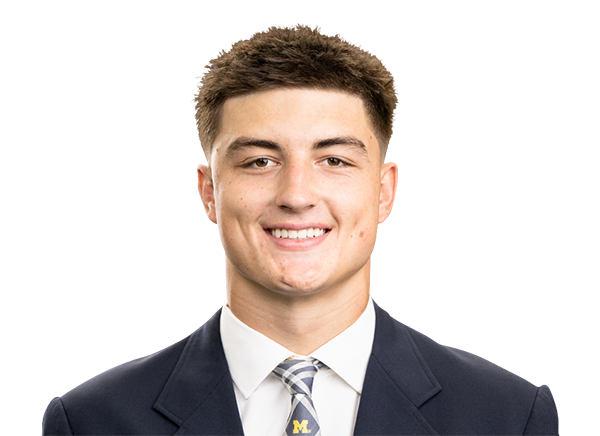
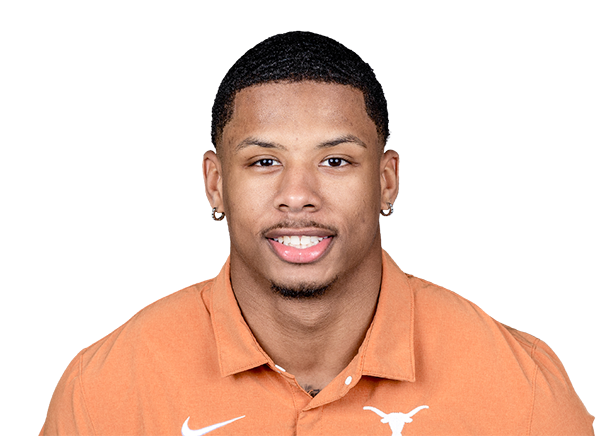
Colston Loveland
7.29.311.3 Projected Points
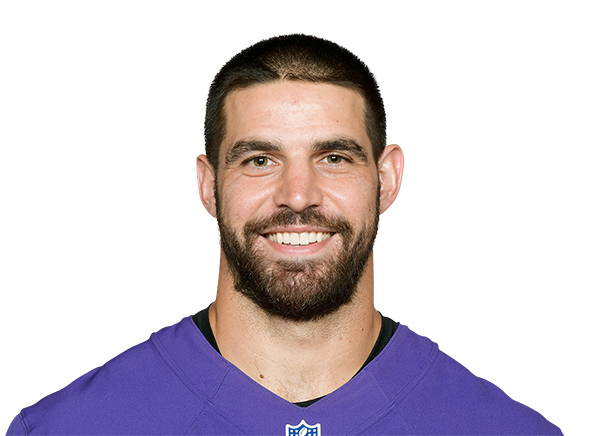
Mark Andrews
6.78.410.1 Projected Points
Colston Loveland’s market
Mark Andrews’s market


Why Colston Loveland
StartTE1 and pass-catching mismatch. Seam-stretching move tight end with flex alignment and rising target volume.
Start — every-week TE start at consensus TE3: 24.5 implied team total, 8% target share.
- Loveland’s mismatch profile gives his heavy snap role multiple ways to pay off beyond a touchdown.
- His modest target share is the clear weakness; the call depends on his routes becoming steadier volume.
Latest on Loveland
In advance of the biggest draft weekend, Liz Loza reveals her strongest thoughts to help you have a successful draft.
Reported by the sources listed — not independently verified.
Why Mark Andrews
Start· mediumTE1 and red-zone mismatch. Veteran seam-stretcher with strong hands and quarterback rapport.
25% target share and 72% snaps in a 27-point implied offense — Andrews is a top-12 TE role even with a TE15 projection.
- Andrews’ concentrated role is the strongest counter, especially with his red-zone mismatch skill.
- A 72% snap role leaves less margin if Baltimore’s lead produces a broader distribution of work.
The call
- A 25% target share is elite for the position; Andrews is the clear passing-game focal point at TE with a 72% snap share and no injury designation.
- Baltimore's 27.0 implied total and -7.5 spread point to a high-scoring, red-zone-heavy script, which is exactly where Andrews cashes in on touchdowns.
- The DvP composite of 12 of 32 reads mildly unfavorable, but it's a 1-game sample with 0.00 confidence — not enough to override the usage.
- Risk is the 10.1 projection and TE15 label: if Baltimore builds a lead and leans run, the volume ceiling narrows to a 6-8 point day.
Head-to-head stats
| Metric | Colston Loveland | Mark Andrews |
|---|---|---|
| Projected points | 7.29.311.3 | 6.78.410.1 |
| Consensus rank | TE3 | TE15 |
| Opponent vs position | MIN · 14 of 321-game sample | NO · 12 of 321-game sample |
| Receptions | 14 of 32 | 18 of 32 |
| Receiving Yards | 31 of 32 | 17 of 32 |
| Receiving TDs | 1 of 32 | 1 of 32 |
| Targets | 24 of 32 | 24 of 32 |
| Anytime TD | 1 of 32 | 1 of 32 |
| Target share | 8% | 25% |
| Reception share | 0% | 24% |
| Implied total · spread | 24.5-3.5 | 27.0-7.5 |
| Depth chart | TE1 | TE1 |
| Snap share | 87% | 72% |
| Start/Sit record | — | 0–1 |
Recent form
Colston Loveland — last 1 week
| Week 1 | vs CAR | 0.00.00.0 |
Mark Andrews — last 1 week
| Week 1 | vs IND | 4.96.98.9 |
Signal breakdown
- 11.3 vs 10.1 projected PPR pointsColston Loveland +
- Rank 3 vs 15Colston Loveland +
- Opponent DvP rank 14 vs 12 (32 = softest)even
- Implied 24.5 vs 27.0 team pointsMark Andrews +
- No injury designationseven
- 87% vs 72% snap shareColston Loveland +
Compare different players
Every fantasy-relevant player this week — search or filter by position.
More Loveland comparisons
More Andrews comparisons
This week’s toughest calls
- J. WilliamsJavonte WilliamsRBDALvs WSH
 K. WilliamsKyren WilliamsRBLARvs NYG
- K. WilliamsKyren WilliamsRBLARvs NYGD. SwiftD'Andre SwiftRBCHIvs MIN
- D. SwiftD'Andre SwiftRBCHIvs MINB. IrvingBucky IrvingRBTBvs CLE
- B. IrvingBucky IrvingRBTBvs CLED. MontgomeryDavid MontgomeryRBHOUvs CIN
- D. MontgomeryDavid MontgomeryRBHOUvs CINJ. PriceJadarian PriceRBSEAvs ARI
- J. PriceJadarian PriceRBSEAvs ARIR. StevensonRhamondre StevensonRBNEvs PIT
- D. AdamsDavante AdamsWRLARvs NYG
 J. WaddleJaylen WaddleWRDENvs JAX
- J. WaddleJaylen WaddleWRDENvs JAXD. MooreDJ MooreWRBUFvs DET
- D. MooreDJ MooreWRBUFvs DETJ. WilliamsJameson WilliamsWRDETvs BUF
- J. WilliamsJameson WilliamsWRDETvs BUFL. Burden IIILuther Burden IIIWRCHIvs MIN
- L. Burden IIILuther Burden IIIWRCHIvs MINM. EvansMike EvansWRSFvs MIA
- M. EvansMike EvansWRSFvs MIAC. WatsonChristian WatsonWRGBvs NYJ
- B. BowersBrock BowersTELVvs LAC
 K. Pitts Sr.Kyle Pitts Sr.TEATLvs CAR
- K. Pitts Sr.Kyle Pitts Sr.TEATLvs CARG. KittleGeorge KittleTESFvs MIA
- G. KittleGeorge KittleTESFvs MIAS. LaPortaSam LaPortaTEDETvs BUF
- S. LaPortaSam LaPortaTEDETvs BUFT. KraftTucker KraftTEGBvs NYJ
- T. KraftTucker KraftTEGBvs NYJT. KelceTravis KelceTEKCvs IND
- T. KelceTravis KelceTEKCvs INDD. GoedertDallas GoedertTEPHIvs TEN
- D. PrescottDak PrescottQBDALvs WSH
 J. DartJaxson DartQBNYGvs LAR
- J. DartJaxson DartQBNYGvs LARJ. HerbertJustin HerbertQBLACvs LV
- J. HerbertJustin HerbertQBLACvs LVC. WilliamsCaleb WilliamsQBCHIvs MIN
- C. WilliamsCaleb WilliamsQBCHIvs MINB. PurdyBrock PurdyQBSFvs MIA
- B. PurdyBrock PurdyQBSFvs MIAP. MahomesPatrick MahomesQBKCvs IND
- P. MahomesPatrick MahomesQBKCvs INDB. NixBo NixQBDENvs JAX
- B. AubreyBrandon AubreyKDALvs WSH
 C. DickerCameron DickerKLACvs LV
- C. DickerCameron DickerKLACvs LVK. FairbairnKa'imi FairbairnKHOUvs CIN
- K. FairbairnKa'imi FairbairnKHOUvs CINE. PineiroEddy PineiroKSFvs MIA
- E. PineiroEddy PineiroKSFvs MIAH. MevisHarrison MevisKLARvs NYG
- H. MevisHarrison MevisKLARvs NYGH. ButkerHarrison ButkerKKCvs IND
- H. ButkerHarrison ButkerKKCvs INDT. LoopTyler LoopKBALvs NO
- Buccaneers D/STBuccaneers D/STDSTTBvs CLE
 Chargers D/STChargers D/STDSTLACvs LV
- Chargers D/STChargers D/STDSTLACvs LVBears D/STBears D/STDSTCHIvs MIN

- Bears D/STBears D/STDSTCHIvs MINPackers D/STPackers D/STDSTGBvs NYJ

- Packers D/STPackers D/STDSTGBvs NYJChiefs D/STChiefs D/STDSTKCvs IND

- Chiefs D/STChiefs D/STDSTKCvs IND49ers D/ST49ers D/STDSTSFvs MIA

- 49ers D/ST49ers D/STDSTSFvs MIAFalcons D/STFalcons D/STDSTATLvs CAR

- J. WilliamsJavonte WilliamsRBDALvs WSHB. BowersBrock BowersTELVvs LAC
- B. BowersBrock BowersTELVvs LACC. HubbardChuba HubbardRBCARvs ATL
- K. WilliamsKyren WilliamsRBLARvs NYGD. AdamsDavante AdamsWRLARvs NYG
- D. AdamsDavante AdamsWRLARvs NYGB. IrvingBucky IrvingRBTBvs CLE
- J. PriceJadarian PriceRBSEAvs ARIJ. WaddleJaylen WaddleWRDENvs JAX
- D. Samuel Sr.Deebo Samuel Sr.WRSFvs MIA
 M. LloydMarShawn LloydRBGBvs NYJ
- A. Jones Sr.Aaron Jones Sr.RBMINvs CHI
 S. LaPortaSam LaPortaTEDETvs BUF
 - K. Pitts Sr.Kyle Pitts Sr.TEATLvs CARM. GoldenMatthew GoldenWRGBvs NYJ
Get a Start/Sit call on your whole roster →
Save your team once and see a Start, Sit, or Toss-Up verdict on every player, every week — with the matchup, usage and game-script evidence behind each call.
Add to My Team — freeOr browse this week’s NFL games or NFL player props.