NRFI Today
First-inning scoring outlook for today’s MLB slate — every starter’s NRFI rate, team first-inning trends, park factors, and real NRFI odds.
First-inning scoring outlook for today’s MLB slate — every starter’s NRFI rate, team first-inning trends, park factors, and real NRFI odds.
All-time lean record
139-108
247 graded
56%
hit rate
NRFI
YRFI
League first inning is scoreless ~49% of the time. Model probability shown per game.


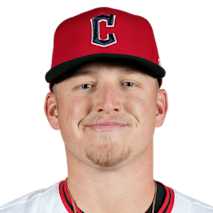
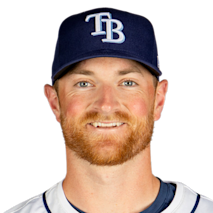
Parker Messick's 90% first-inning shutout rate over 20 starts headlines this one, and Cleveland's bats do little to threaten Drew Rasmussen — the Guardians rank 28th at scoring in the first, plating a run just 24% of the time. The Rays are livelier against lefties (29%), but Tropicana Field's below-average run factor and both arms' strong recent form nudge this toward NRFI.


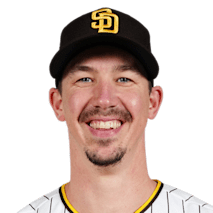
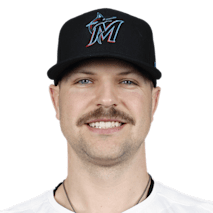
Walker Buehler brings a strong 80% first-inning shutdown rate into loanDepot park, and he's opposed by a Padres offense that plots first-inning runs just 23% of the time — dead last in MLB. Janson Junk matches up nicely too at 77% NRFI, keeping this leaning toward a quiet opening frame despite Miami's slightly better bats.


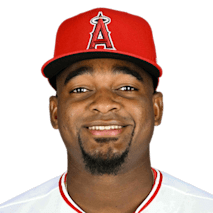

Jose Soriano brings a clean first-inning slate into Oracle Park, posting a 70% NRFI over 20 starts and staying scoreless in all five of his last outings. That pairs nicely with a Giants lineup that plates a first-inning run just 23% of the time — 29th in MLB, and only 20% against righties. Whisenhunt's 100% NRFI is real but comes on just two starts, so lean cautiously.


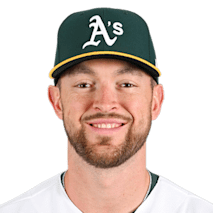
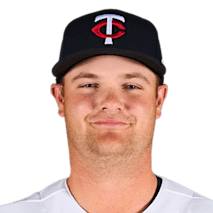
Minnesota's bats set the tone here — no lineup in baseball scores in the first inning more often, plating a run 36% of the time and 34% against lefties like Jeffrey Springs. Springs hasn't helped his own cause, holding a scoreless first in just 47% of his 19 starts. Even with Prielipp's cleaner 62% NRFI mark, the run-friendly Target Field backdrop nudges this toward YRFI.


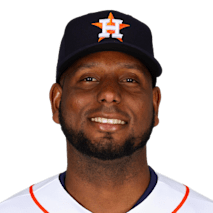
Erick Fedde's shaky 40% NRFI rate over 10 starts is the big red flag here, and Houston's offense — 3rd in MLB at scoring first-inning runs and doing it 40% of the time against righties — is exactly the kind of lineup to punish it. Ronel Blanco carries a clean 100% mark, but that's just one start, so lean YRFI with low confidence.


Framber Valdez's steady 68% NRFI mark is the anchor here, but he's up against a Royals side that's put a run on the board in the first in only 31% of games this year. The bigger swing is Luinder Avila, sitting at a coin-flip 50% NRFI and trending the wrong way with runs allowed in three of his last five first innings. That vulnerability nudges this toward YRFI.


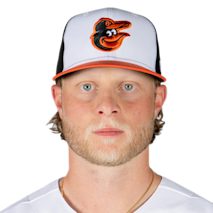
Reynaldo Lopez is the story here — just a 22% NRFI rate across nine starts and only one scoreless first in his last five outings. Atlanta's offense adds pressure too, scoring in the opening frame 31% of the time and 36% against righties. Baltimore's bats have been quiet early, but Lopez's shaky starts push this one toward a YRFI lean.




Braxton Ashcraft's 74% NRFI mark over 19 starts is the sturdiest number on the board, though he's coughed up first-inning runs in four of his last five outings. Working in his favor is a Cubs lineup that scores in the first just 24% of the time and only 25% against righties. The Pirates offense poses more threat, keeping this one right at a 51% flip.



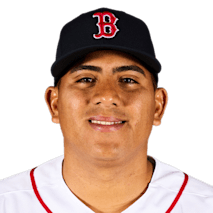
Ranger Suarez brings the stronger first-inning résumé here, sitting scoreless in 69% of his 16 starts, and he faces a Toronto lineup that plates a run in the first just 17% of the time against lefties. Kevin Gausman's 60% NRFI rate and Fenway's run-friendly 108 park factor keep this from tilting further, landing it at a near coin flip.


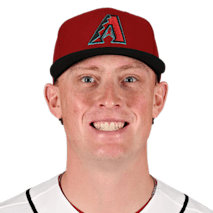
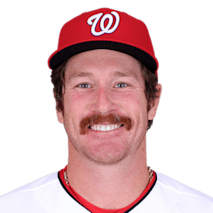
Kohl Drake's 100% first-inning clean sheet comes with a giant asterisk — it's a single career start, so there's almost nothing to lean on. On the other side, Miles Mikolas has kept the frame scoreless in 71% of his seven starts, but Washington's bats rank second in MLB for first-inning offense. The thin Drake sample keeps this one a genuine coin flip.


Freddy Peralta's 75% first-inning shutout rate paces this one for the Mets, and Emmet Sheehan backs it with a solid 65% NRFI across 17 starts. Working against the arms: the Dodgers' bats plate a first-inning run 31% of the time, and Citi Field's 96 park factor plays slightly below average. That tension lands it right on a coin flip at 52% scoreless.



Jacob Misiorowski brings the standout number here, holding an 83% first-inning shutout rate across 18 starts, and American Family Field's 94 run factor plays slightly below average. But Colorado's bats crack the scoreboard early 34% of the time — fifth-most in MLB — while Kyle Freeland's more modest 65% NRFI keeps things balanced, landing this one squarely at a coin flip.


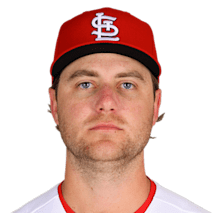
Kyle Leahy has been a first-inning wall for St. Louis, posting an 83% NRFI mark across 18 starts and clean frames in all five of his last outings. The counterweight is Andrew Abbott, whose coin-flip 50% NRFI and 2-of-5 recent scoreless first innings drag Cincinnati back toward even. With Busch playing neutral, the model lands right at 49%.




Logan Gilbert brings the sharper first-inning résumé here, sitting scoreless in 58% of his starts and four of his last five, while deGrom has held the fort in just two of his past five openers. Neither offense does much early — Texas plates a first-inning run 29% of the time against righties, Seattle just 26% — yet the model's 48% scoreless read trails the book's 57%, keeping this one genuinely split.


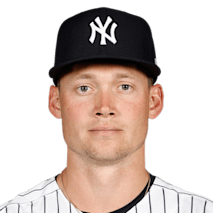
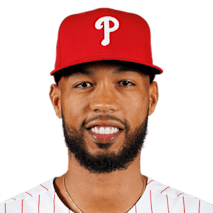
Both starters have kept the first frame clean at high clips — Will Warren at 72% NRFI, Cristopher Sanchez at 75% — which normally tilts toward the under. The catch is the Yankees' bats, who put up a first-inning run 42% of the time against lefties like Sanchez. That tension between strong arms and a dangerous NYY lineup lands this one right at a coin flip, with the model's 47% just under the book's 52%.
First-inning stats are regular-season based. Verdicts are informational, not betting advice.
Pitcher arsenals, bullpen context, lineup splits, and AI-powered MLB prop analysis — free to start.
Get Started FreeOr browse today’s MLB games or MLB player props.