Dylan Sampson or Tony Pollard: Who Should You Start?
Preliminary board2026 Week 1 · deterministic head-to-head · Verdicts based on PPR scoring.
Verdicts sharpen as practice reports land.
Pollard's lead-back workload makes him the clear choice over Sampson
Tony Pollard gets the nod because his lead-back role and favorable game script give him a dependable path to touches, while Dylan Sampson is mainly a change-of-pace option. Sampson's receiving ability offers some PPR appeal, but his limited role and Cleveland's modest scoring outlook leave too little room for a big game. Pollard's weakness is his modest target involvement, so he is a fringe flex rather than a set-and-forget start, but that risk is smaller than betting on Sampson's splash plays.
What flips it: A last-minute reduction in Pollard's workload.
AI editor
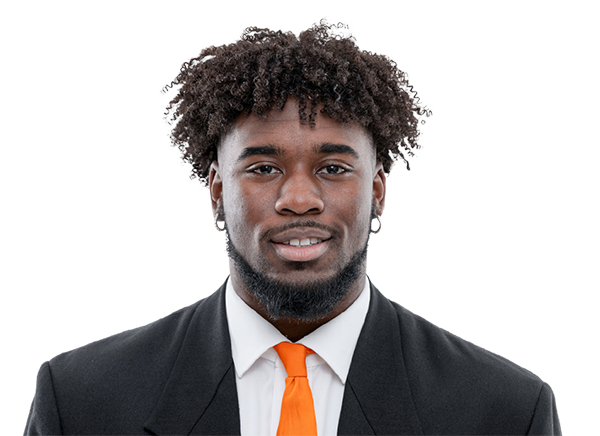
Dylan Sampson
3.34.15.0 Projected Points
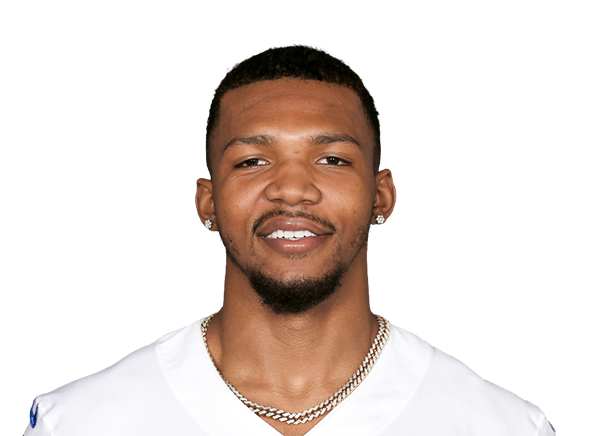
Tony Pollard
9.810.711.5 Projected Points
Why Dylan Sampson
SitRB2 and change-of-pace back. Explosive receiving weapon out of the backfield on passing downs.
Sit — RB51 by consensus and projection: JAX is the 9th-toughest matchup vs RBs, 16.5 implied team total caps the ceiling.
- Passing-down receiving ability gives Sampson a PPR escape hatch if Cleveland falls behind.
- His explosive style can overcome a limited rushing role with one big play.
Why Tony Pollard
Toss-Up· mediumRB1 and lead back. One-cut zone runner with breakaway speed and 1,000-yard workload.
RB28 with a 63% snap share and 3-point favorite script, but an 8% target share caps the PPR floor — a fringe flex, not a set-and-forget start.
- Pollard's lead-back status gives him the stronger touch floor in a game Tennessee is favored to control.
- His breakaway speed adds ceiling beyond the steady workload, even with limited receiving volume.
The call
- Role is real: 63% snap share over 17 games makes him the primary back, and a -3.0 spread with a 21.3 implied total points to a healthy dose of second-half carries if Tennessee is ahead.
- The receiving side is the problem — an 8% target share means his PPR floor lives and dies on rushing volume and goal-line work, which is why he lands at RB28 on 11.5 projected points.
- The DvP composite of 25 of 32 reads soft, but it comes with a 0-game sample and 0.00 confidence, so there's no real matchup edge to bank on here.
- Tips to start if your alternative is a bench-level committee back or a low-volume WR3; tips to sit if you have anyone with a defined passing-game role.
Head-to-head stats
| Metric | Dylan Sampson | Tony Pollard |
|---|---|---|
| Projected points | 3.34.15.0 | 9.810.711.5 |
| Consensus rank | RB51 | RB28 |
| Opponent vs position | JAX · 9 of 320-game sample | NYJ · 25 of 320-game sample |
| Rushing Yards | 1 of 32 | 28 of 32 |
| Rushing TDs | 4 of 32 | 29 of 32 |
| Rushing Attempts | 1 of 32 | 30 of 32 |
| Receptions | 24 of 32 | 8 of 32 |
| Receiving Yards | 21 of 32 | 21 of 32 |
| Anytime TD | 4 of 32 | 32 of 32 |
| Target share | 9%(2025) | 8%(2025) |
| Reception share | 12%(2025) | 10%(2025) |
| Implied total · spread | 16.5+7.5 | 21.3-3.0 |
| Depth chart | RB2 | RB1 |
| Snap share | 27%(2025) | 63%(2025) |
| Start/Sit record | — | 0–0+1 toss-up |
Signal breakdown
- 5.0 vs 11.5 projected PPR pointsTony Pollard +
- Rank 51 vs 28Tony Pollard +
- Opponent DvP rank 9 vs 25 (32 = softest)even
- Implied 16.5 vs 21.3 team pointsTony Pollard +
- No injury designationseven
- 27% vs 63% snap shareTony Pollard +
Compare different players
Every fantasy-relevant player this week — search or filter by position.
More Sampson comparisons
More Pollard comparisons
This week’s toughest calls
- K. WilliamsKyren WilliamsRBLARvs SF
 C. SkatteboCam SkatteboRBNYGvs DAL
- C. SkatteboCam SkatteboRBNYGvs DALJ. PriceJadarian PriceRBSEAvs NE
- J. PriceJadarian PriceRBSEAvs NED. MontgomeryDavid MontgomeryRBHOUvs BUF
- D. MontgomeryDavid MontgomeryRBHOUvs BUFM. LloydMarShawn LloydRBGBvs MIN
- M. LloydMarShawn LloydRBGBvs MINJ. WarrenJaylen WarrenRBPITvs ATL
- J. WarrenJaylen WarrenRBPITvs ATLB. TutenBhayshul TutenRBJAXvs CLE
- T. HigginsTee HigginsWRCINvs TB
 J. WilliamsJameson WilliamsWRDETvs NO
- J. WilliamsJameson WilliamsWRDETvs NOD. MooreDJ MooreWRBUFvs HOU
- D. MooreDJ MooreWRBUFvs HOUC. WatsonChristian WatsonWRGBvs MIN
- C. WatsonChristian WatsonWRGBvs MINP. WashingtonParker WashingtonWRJAXvs CLE
- P. WashingtonParker WashingtonWRJAXvs CLEM. GoldenMatthew GoldenWRGBvs MIN
- M. GoldenMatthew GoldenWRGBvs MINQ. JohnstonQuentin JohnstonWRLACvs ARI
- S. LaPortaSam LaPortaTEDETvs NO
 D. GoedertDallas GoedertTEPHIvs WSH
- D. GoedertDallas GoedertTEPHIvs WSHK. Pitts Sr.Kyle Pitts Sr.TEATLvs PIT
- K. Pitts Sr.Kyle Pitts Sr.TEATLvs PITT. KelceTravis KelceTEKCvs DEN
- T. KelceTravis KelceTEKCvs DENM. AndrewsMark AndrewsTEBALvs IND
- M. AndrewsMark AndrewsTEBALvs INDJ. FergusonJake FergusonTEDALvs NYG
- J. FergusonJake FergusonTEDALvs NYGI. LikelyIsaiah LikelyTENYGvs DAL
- J. DanielsJayden DanielsQBWSHvs PHI
 M. StaffordMatthew StaffordQBLARvs SF
- M. StaffordMatthew StaffordQBLARvs SFD. PrescottDak PrescottQBDALvs NYG
- D. PrescottDak PrescottQBDALvs NYGT. LawrenceTrevor LawrenceQBJAXvs CLE
- T. LawrenceTrevor LawrenceQBJAXvs CLEC. WilliamsCaleb WilliamsQBCHIvs CAR
- C. WilliamsCaleb WilliamsQBCHIvs CARD. MayeDrake MayeQBNEvs SEA
- D. MayeDrake MayeQBNEvs SEAK. MurrayKyler MurrayQBMINvs GB
- C. DickerCameron DickerKLACvs ARI
 E. PineiroEddy PineiroKSFvs LAR
- E. PineiroEddy PineiroKSFvs LARE. McPhersonEvan McPhersonKCINvs TB
- E. McPhersonEvan McPhersonKCINvs TBT. LoopTyler LoopKBALvs IND
- T. LoopTyler LoopKBALvs INDW. ReichardWill ReichardKMINvs GB
- W. ReichardWill ReichardKMINvs GBH. ButkerHarrison ButkerKKCvs DEN
- H. ButkerHarrison ButkerKKCvs DENC. McLaughlinChase McLaughlinKTBvs CIN
- Jaguars D/STJaguars D/STDSTJAXvs CLE
 Chargers D/STChargers D/STDSTLACvs ARI
- Chargers D/STChargers D/STDSTLACvs ARITitans D/STTitans D/STDSTTENvs NYJ

- Titans D/STTitans D/STDSTTENvs NYJJets D/STJets D/STDSTNYJvs TEN

- Jets D/STJets D/STDSTNYJvs TENEagles D/STEagles D/STDSTPHIvs WSH

- Eagles D/STEagles D/STDSTPHIvs WSHBears D/STBears D/STDSTCHIvs CAR

- Bears D/STBears D/STDSTCHIvs CARPackers D/STPackers D/STDSTGBvs MIN

- J. PriceJadarian PriceRBSEAvs NET. HigginsTee HigginsWRCINvs TB
- T. HigginsTee HigginsWRCINvs TBB. TutenBhayshul TutenRBJAXvs CLE
- B. IrvingBucky IrvingRBTBvs CIN
 J. WilliamsJameson WilliamsWRDETvs NO
 - D. MooreDJ MooreWRBUFvs HOUT. PollardTony PollardRBTENvs NYJ
- T. PollardTony PollardRBTENvs NYJS. LaPortaSam LaPortaTEDETvs NO
- S. LaPortaSam LaPortaTEDETvs NOC. WatsonChristian WatsonWRGBvs MIN
- M. GoldenMatthew GoldenWRGBvs MIND. GoedertDallas GoedertTEPHIvs WSH
- D. GoedertDallas GoedertTEPHIvs WSHK. GainwellKenny GainwellRBTBvs CIN
Want full matchup analysis & AI picks? →
Save your roster and get a Start, Sit, or Toss-Up call on every player, every week — plus prop pages, matchup data, and AI-powered NFL analysis.
Add to My Team — freeOr browse this week’s NFL games or NFL player props.