Mark Andrews or Tre Tucker: Who Should You Start?
2026 Week 2 · deterministic head-to-head · Verdicts based on PPR scoring.
Start Mark Andrews: the steadier volume wins a deceptively close projection battle
Mark Andrews is the better play because his TE1 role, red-zone mismatch profile and 25% target share are backed by a much stronger team environment. The projection gap is only 0.5 points, but that understates the difference: Andrews has a reliable usage foundation, while Tre Tucker’s vertical role depends more on splash plays in a low-scoring offense. Tucker’s speed and manufactured touches give him real upside, but his thinner target involvement makes the floor the actual risk.
What flips it: A confirmed expansion of Tucker’s target role in Las Vegas.
AI editor
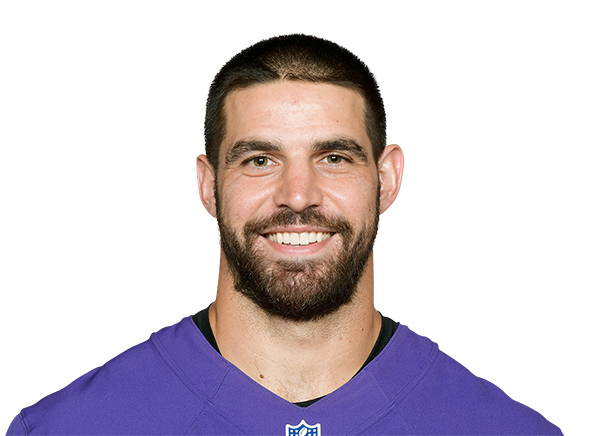
Mark Andrews
6.78.510.4 Projected Points
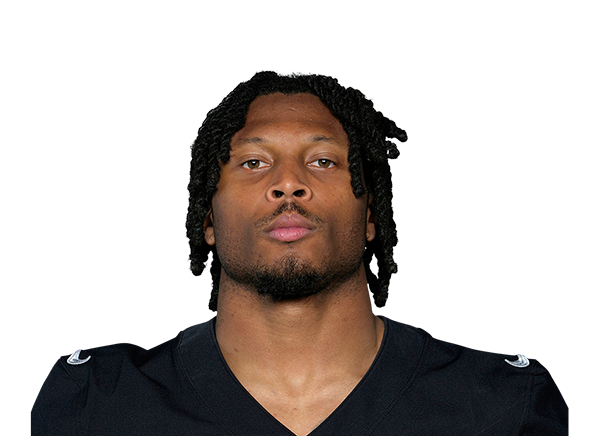
Tre Tucker
6.38.19.9 Projected Points
Mark Andrews’s market
Tre Tucker’s market


Why Mark Andrews
Start· mediumTE1 and red-zone mismatch. Veteran seam-stretcher with strong hands and quarterback rapport.
25% target share and 72% snaps in a 27-point implied offense — Andrews is a volume-driven TE1 start despite the TE15 tag.
- Andrews’ red-zone role gives his strong target share more touchdown equity than the raw projection gap suggests.
- Baltimore’s favorable scoring outlook supports his volume even if New Orleans limits explosive plays.
The call
- A 25% target share is elite for the position — Andrews is the clear focal point in the passing game, and that usage floor matters more than his TE15 consensus label in PPR.
- Baltimore's 27.0 implied total as a 7.5-point favorite means plenty of scoring chances, and Andrews has long been the red-zone preference in this offense.
- The DvP composite of 12 of 32 reads slightly tough, but it's a 1-game sample with 0.00 confidence — not enough to bench a target hog.
- Risk is script-based: a big early lead could shift Baltimore run-heavy and cap his volume, and 72% snaps leaves some rotational work on the table.
Why Tre Tucker
SitWR1 and vertical speed threat. Field-stretching burner used on jet motion and manufactured touches.
Sit — bench-tier WR at consensus WR60: 17.0 implied team total caps the ceiling, 14% target share.
- Tucker’s jet motion and vertical speed can create a long gain without requiring a high target count.
- His WR1 designation offers upside if Las Vegas falls behind and must attack downfield.
Head-to-head stats
| Metric | Mark Andrews | Tre Tucker |
|---|---|---|
| Projected points | 6.78.510.4 | 6.38.19.9 |
| Consensus rank | TE15 | WR60 |
| Opponent vs position | NO · 12 of 321-game sample | LAC · 14 of 321-game sample |
| Receptions | 18 of 32 | 27 of 32 |
| Receiving Yards | 17 of 32 | 22 of 32 |
| Receiving TDs | 1 of 32 | 1 of 32 |
| Targets | 24 of 32 | 19 of 32 |
| Anytime TD | 1 of 32 | 1 of 32 |
| Target share | 25% | 14% |
| Reception share | 24% | 10% |
| Implied total · spread | 27.0-7.5 | 17.0+8.5 |
| Depth chart | TE1 | WR1 |
| Snap share | 72% | 71% |
| Start/Sit record | 0–1 | 0–0+1 toss-up |
Recent form
Mark Andrews — last 1 week
| Week 1 | vs IND | 4.96.98.9 |
Tre Tucker — last 1 week
| Week 1 | vs MIA | 2.73.74.7 |
Signal breakdown
- 10.4 vs 9.9 projected PPR pointsMark Andrews +
- Rank 15 vs 60Mark Andrews +
- Opponent DvP rank 12 vs 14 (32 = softest)even
- Implied 27.0 vs 17.0 team pointsMark Andrews +
- No injury designationseven
- 72% vs 71% snap shareMark Andrews +
Compare different players
Every fantasy-relevant player this week — search or filter by position.
More Andrews comparisons

More Tucker comparisons
This week’s toughest calls
- K. WilliamsKyren WilliamsRBLARvs NYG
 C. SkatteboCam SkatteboRBNYGvs LAR
- C. SkatteboCam SkatteboRBNYGvs LARD. SwiftD'Andre SwiftRBCHIvs MIN
- D. SwiftD'Andre SwiftRBCHIvs MINB. IrvingBucky IrvingRBTBvs CLE
- B. IrvingBucky IrvingRBTBvs CLED. MontgomeryDavid MontgomeryRBHOUvs CIN
- D. MontgomeryDavid MontgomeryRBHOUvs CINJ. PriceJadarian PriceRBSEAvs ARI
- J. PriceJadarian PriceRBSEAvs ARIR. StevensonRhamondre StevensonRBNEvs PIT
- D. AdamsDavante AdamsWRLARvs NYG
 J. WilliamsJameson WilliamsWRDETvs BUF
- J. WilliamsJameson WilliamsWRDETvs BUFL. Burden IIILuther Burden IIIWRCHIvs MIN
- L. Burden IIILuther Burden IIIWRCHIvs MINM. EvansMike EvansWRSFvs MIA
- M. EvansMike EvansWRSFvs MIAC. WatsonChristian WatsonWRGBvs NYJ
- C. WatsonChristian WatsonWRGBvs NYJC. SuttonCourtland SuttonWRDENvs JAX
- C. SuttonCourtland SuttonWRDENvs JAXM. GoldenMatthew GoldenWRGBvs NYJ
- K. Pitts Sr.Kyle Pitts Sr.TEATLvs CAR
 G. KittleGeorge KittleTESFvs MIA
- G. KittleGeorge KittleTESFvs MIAS. LaPortaSam LaPortaTEDETvs BUF
- S. LaPortaSam LaPortaTEDETvs BUFT. KraftTucker KraftTEGBvs NYJ
- T. KraftTucker KraftTEGBvs NYJT. KelceTravis KelceTEKCvs IND
- T. KelceTravis KelceTEKCvs INDD. GoedertDallas GoedertTEPHIvs TEN
- D. GoedertDallas GoedertTEPHIvs TENJ. FergusonJake FergusonTEDALvs WSH

- D. PrescottDak PrescottQBDALvs WSH
 J. DartJaxson DartQBNYGvs LAR
- J. DartJaxson DartQBNYGvs LARJ. HerbertJustin HerbertQBLACvs LV
- J. HerbertJustin HerbertQBLACvs LVC. WilliamsCaleb WilliamsQBCHIvs MIN
- C. WilliamsCaleb WilliamsQBCHIvs MINB. PurdyBrock PurdyQBSFvs MIA
- B. PurdyBrock PurdyQBSFvs MIAP. MahomesPatrick MahomesQBKCvs IND
- P. MahomesPatrick MahomesQBKCvs INDB. NixBo NixQBDENvs JAX

- B. AubreyBrandon AubreyKDALvs WSH
 K. FairbairnKa'imi FairbairnKHOUvs CIN
- K. FairbairnKa'imi FairbairnKHOUvs CINH. ButkerHarrison ButkerKKCvs IND

- H. ButkerHarrison ButkerKKCvs INDT. LoopTyler LoopKBALvs NO
- T. LoopTyler LoopKBALvs NOC. SantosCairo SantosKCHIvs MIN

- C. SantosCairo SantosKCHIvs MINC. McLaughlinChase McLaughlinKTBvs CLE
- C. McLaughlinChase McLaughlinKTBvs CLEN. FolkNick FolkKATLvs CAR
- Buccaneers D/STBuccaneers D/STDSTTBvs CLE
 Chargers D/STChargers D/STDSTLACvs LV
- Chargers D/STChargers D/STDSTLACvs LVBears D/STBears D/STDSTCHIvs MIN

- Bears D/STBears D/STDSTCHIvs MIN49ers D/ST49ers D/STDSTSFvs MIA

- 49ers D/ST49ers D/STDSTSFvs MIABroncos D/STBroncos D/STDSTDENvs JAX

- Broncos D/STBroncos D/STDSTDENvs JAXPackers D/STPackers D/STDSTGBvs NYJ

- Packers D/STPackers D/STDSTGBvs NYJPanthers D/STPanthers D/STDSTCARvs ATL

- A. Jones Sr.Aaron Jones Sr.RBMINvs CHI
 D. AdamsDavante AdamsWRLARvs NYG
 - D. AdamsDavante AdamsWRLARvs NYGD. SwiftD'Andre SwiftRBCHIvs MIN
- J. PriceJadarian PriceRBSEAvs ARIM. EvansMike EvansWRSFvs MIA
- M. EvansMike EvansWRSFvs MIAR. StevensonRhamondre StevensonRBNEvs PIT
- C. SkatteboCam SkatteboRBNYGvs LARC. WatsonChristian WatsonWRGBvs NYJ
- J. CokerJalen CokerWRCARvs ATL
 J. DobbinsJ.K. DobbinsRBDENvs JAX
- J. WarrenJaylen WarrenRBPITvs NE
 S. LaPortaSam LaPortaTEDETvs BUF
 - S. LaPortaSam LaPortaTEDETvs BUFM. LloydMarShawn LloydRBGBvs NYJ
Get a Start/Sit call on your whole roster →
Save your team once and see a Start, Sit, or Toss-Up verdict on every player, every week — with the matchup, usage and game-script evidence behind each call.
Add to My Team — freeOr browse this week’s NFL games or NFL player props.